A Better Body Was Never the Whole Goal
The visible transformation gets attention, but the lasting reward is more human: patience with family, confidence at work, energy for intimacy and plans made without calculating the physical cost. Health goals ultimately serve relationships and experiences.
Personal experiences are individual and aren’t medical advice. Talk to a qualified professional about your own health.

The visible changes arrived first in the comments, because the surface is always the first place strangers know to look.
“You look great.”
“What are you doing?”
“How much have you lost?”
He appreciated them. He had worked for the stronger shoulders, the smaller waist and the face that looked less tired.
But those were not the changes he thought about when the house became quiet.
He thought about patience.
Before the comeback, he arrived home depleted. His family received whatever remained after work had taken its portion. Small requests felt heavy. Play felt like another task. Intimacy required energy he kept promising would return after the next deadline. Every evening, he entered the room already spent.
Then the system began changing him from the inside of the day outward.
He slept more consistently. He trained without destroying himself. He ate in a way that stabilized the long afternoon. He became stronger, but also more available.
Physical activity is associated with better function, sleep, mood and brain health. Those population findings do not write a person’s private story, but they help explain why a physical comeback can spill into rooms that contain no exercise equipment.
His most meaningful milestone happened on a Thursday evening.
His child asked him to go outside after dinner. For years, he had said, “Give me a minute,” then allowed the minute to become bedtime.
That night, he stood up.
They played until the light changed and the mosquitoes took over. Nobody took a photograph. His watch did not recognize the event as a workout.
It was the reason for all of it.
The body is never only an object to improve. It is how we enter relationships, carry responsibility, experience desire, travel, work and play. When shame or exhaustion causes someone to withdraw, the loss is larger than appearance. When capacity returns, the gain can be larger too.
He still cared about the mirror. Pretending otherwise would have made the story less honest. He enjoyed looking better.
But the mirror showed only the surface of the result.
The deeper change was that the people he loved no longer received the remainder of him.
A better body had never been the whole goal.
It was the vehicle that brought him back into the room—and left enough light on for everyone else.
Sources (4)
- S1. World Health Organization. “Healthy ageing and functional ability.”
- S6. Centers for Disease Control and Prevention. “Benefits of Physical Activity.”
- S20. Gagne DA, et al. “Body dissatisfaction among middle-aged and older women: a review of the literature.”
- S35. Pearl RL, et al. “Is weight stigma associated with physical activity? A systematic review.” https://pubmed.ncbi.nlm.nih.gov/34747131/
Keep reading
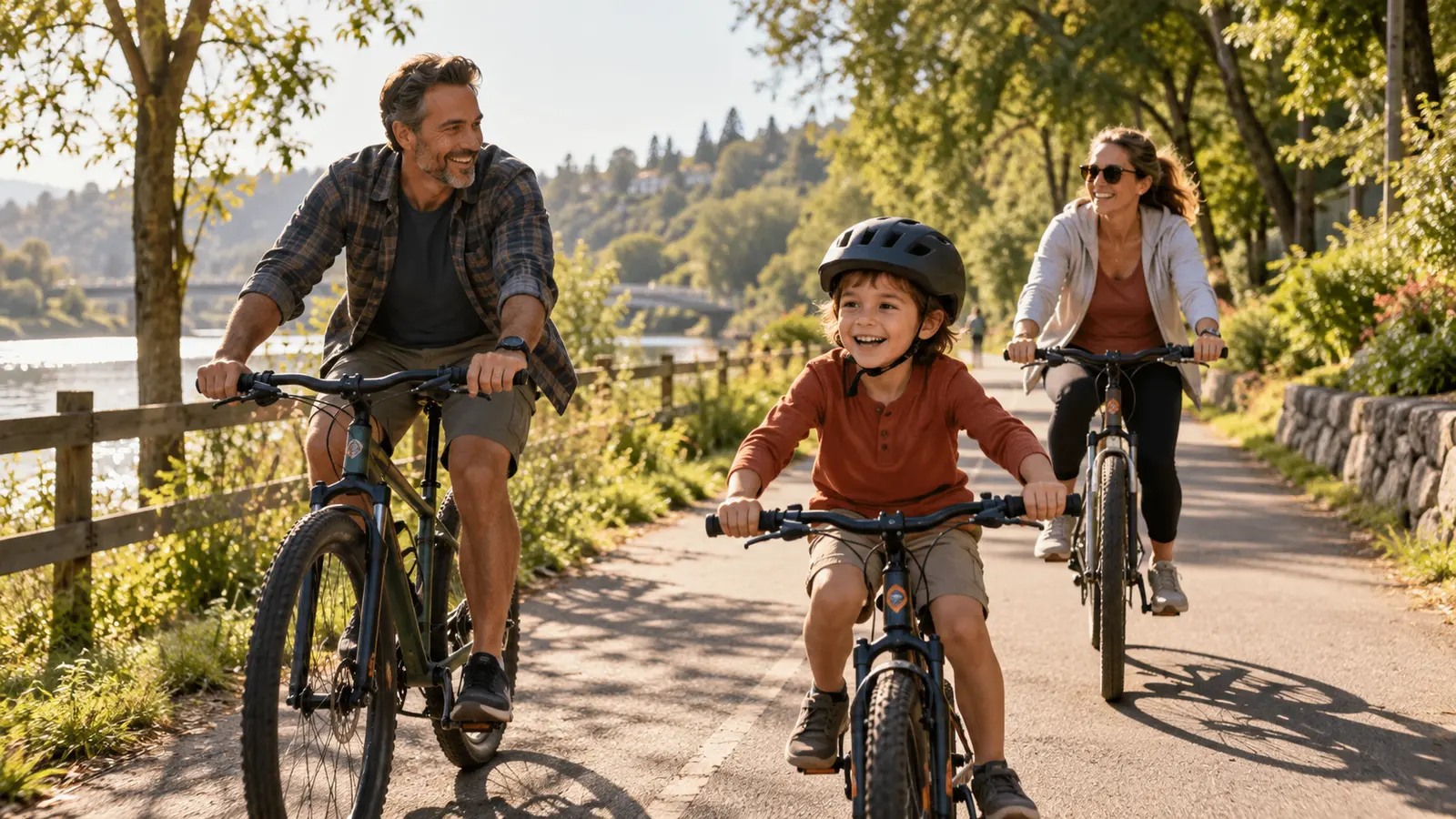
He Didn’t Want His Twenties Back. He Wanted His Saturdays Back.
A man in midlife realizes his real loss is not youth but the energy to participate in the life he worked hard to build. His comeback is measured in bike rides, family plans and weekends he no longer spends recovering from the week.
Second Wind
When “Busy” Becomes the Story You Hide Behind
A capable adult who always finds time for work and family begins to recognize that being busy has become both a real burden and a protective excuse. The article explores how to reclaim health without pretending responsibilities disappear or turning wellness into another full-time job.
The Glow
She Wanted to Be Present in Her Own Photographs Again
A woman who has spent years stepping behind the camera confronts the quiet cost of making herself absent from family memories. Her comeback centers on confidence, health and the gradual freedom to be seen without waiting to become perfect.