He Trained for a Life He Had Stopped Saying Yes To
An old invitation exposes how often a man has declined trips, games and physical challenges because he no longer trusts his body. His training becomes less about looking fit and more about becoming available for adventure again.
Personal experiences are individual and aren’t medical advice. Talk to a qualified professional about your own health.
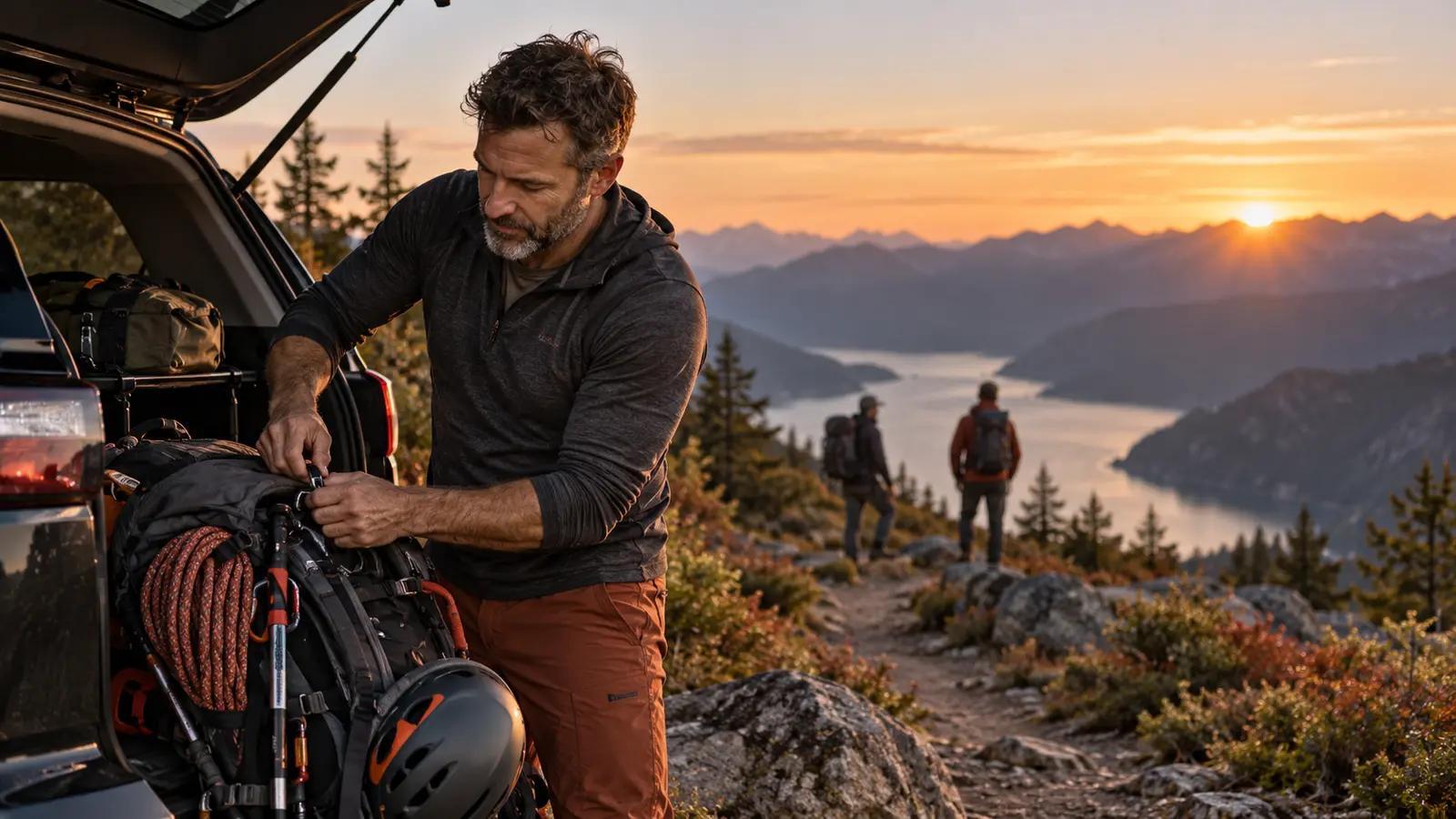
The invitation arrived in a group text, glowing in his hand like a door left open.
A long weekend. Mountains. Hiking during the day, dinner in town at night. The kind of trip he once would have organized before everyone else had checked the dates.
His thumb hovered over the screen.
Then he typed the sentence that had become his exit from nearly everything physical: “I’m slammed that weekend.”
He was not slammed.
He was scared he would slow everyone down.
The fear had been growing since an old injury began speaking louder. At first, he avoided running. Then steep trails. Then pickup games. Eventually, he stopped putting himself in situations where his body might reveal how much confidence he had lost.
From the outside, his life still looked full. Avoidance is skilled at dressing itself as preference and calling every locked door a choice.
The turning point came when a friend replied, “All good. We figured it probably wasn’t your thing anymore.”
He read the message three times.
It was not cruel. That made it worse.
His comeback began with an assessment, not an act of defiance. He learned what the injury could tolerate, what needed strengthening and which movements had become frightening mostly because he had stopped practicing them. The first sessions were controlled and unimpressive. That was the point.
Exercise-adherence research shows that people are more likely to continue when the plan is tailored, progress is visible, support exists and the activity fits into daily life. His old approach had been to attack the weakness until it surrendered. His new approach was to build trust.
He trained his legs, his lungs and his willingness to be uncomfortable without feeling endangered. He walked hills before hiking them. He carried a pack on short routes. He learned the difference between effort, soreness and warning.
Months later, another invitation arrived.
This time, he said yes before he had time to rehearse an excuse.
The trip was not a fitness commercial. He breathed hard on the climbs. His friends stopped for water. Someone’s boot caused a blister. The group changed pace when the trail narrowed.
At the overlook, nobody asked for his time.
They asked him to take the picture.
He realized then that he had not trained for a better workout. He had trained for access—to landscapes, friendships and versions of the future he had quietly removed from consideration.
The life he wanted had kept sending invitations. This time, the door was already open.
He finally built a body willing to answer.
Sources (4)
- S1. World Health Organization. “Healthy ageing and functional ability.”
- S6. Centers for Disease Control and Prevention. “Benefits of Physical Activity.”
- S17. Room J, et al. “Barriers and facilitators to exercise adherence in community-dwelling older adults.”
- S30. Room J, et al. “What interventions are used to improve exercise adherence in older people and what behavioural techniques are they based on?”
Keep reading
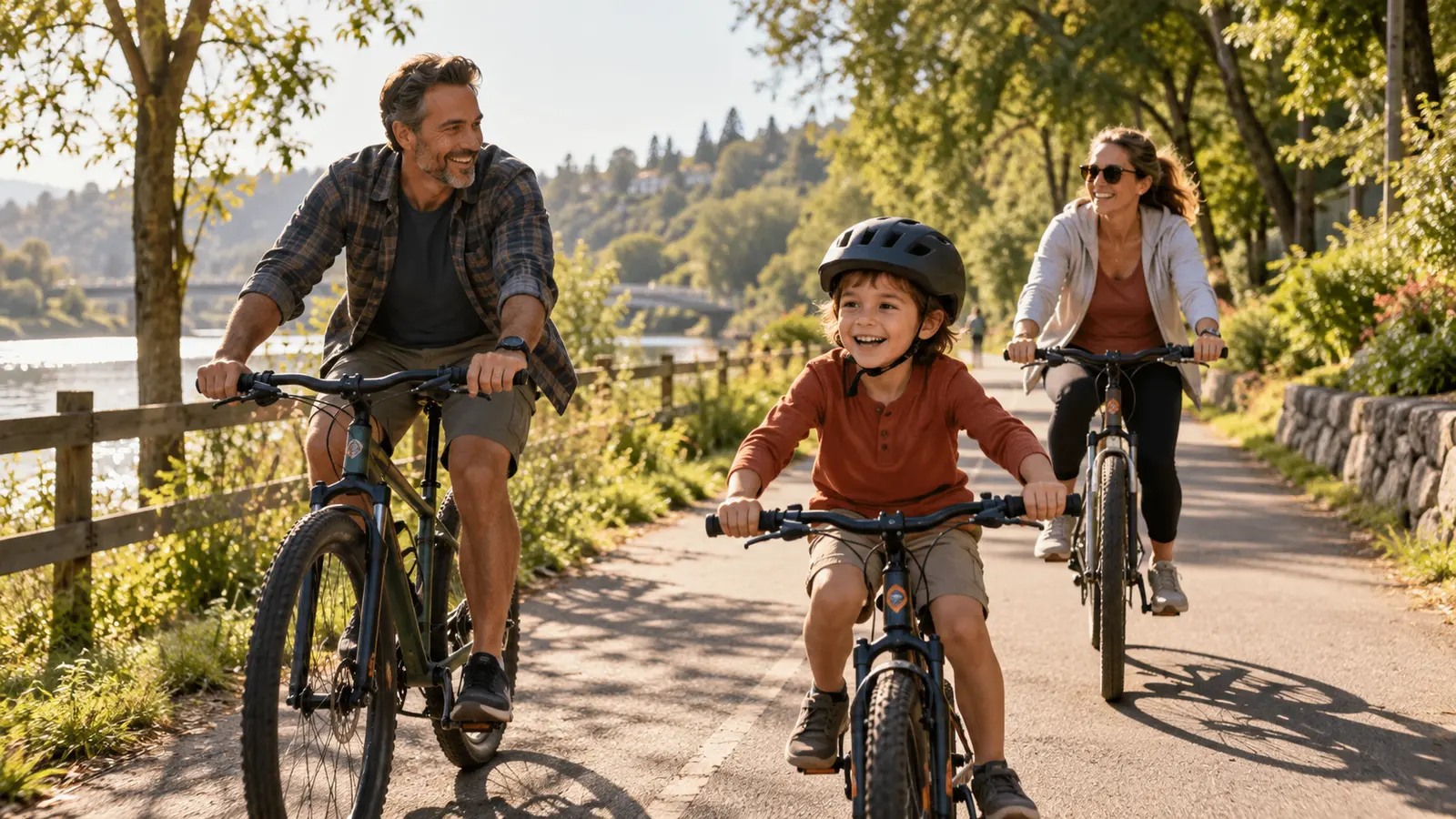
He Didn’t Want His Twenties Back. He Wanted His Saturdays Back.
A man in midlife realizes his real loss is not youth but the energy to participate in the life he worked hard to build. His comeback is measured in bike rides, family plans and weekends he no longer spends recovering from the week.
The Comeback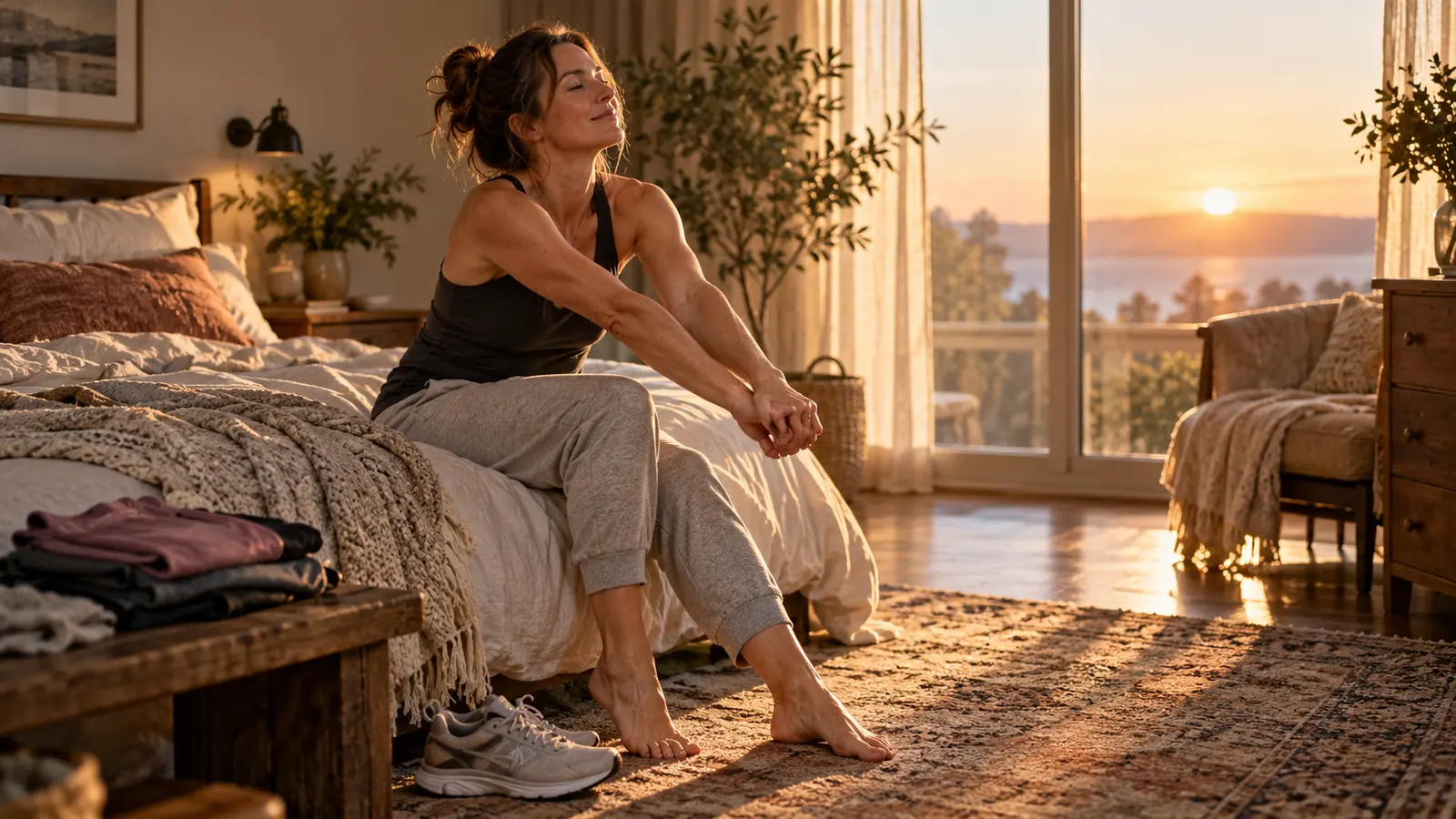
What Real Recovery Feels Like Before It Looks Impressive
Recovery is often mistaken for doing nothing or treated as something earned only after hard work. This article follows the shift from exhaustion and inconsistent effort to a rhythm of sleep, training and restoration that makes greater capacity possible.
Second Wind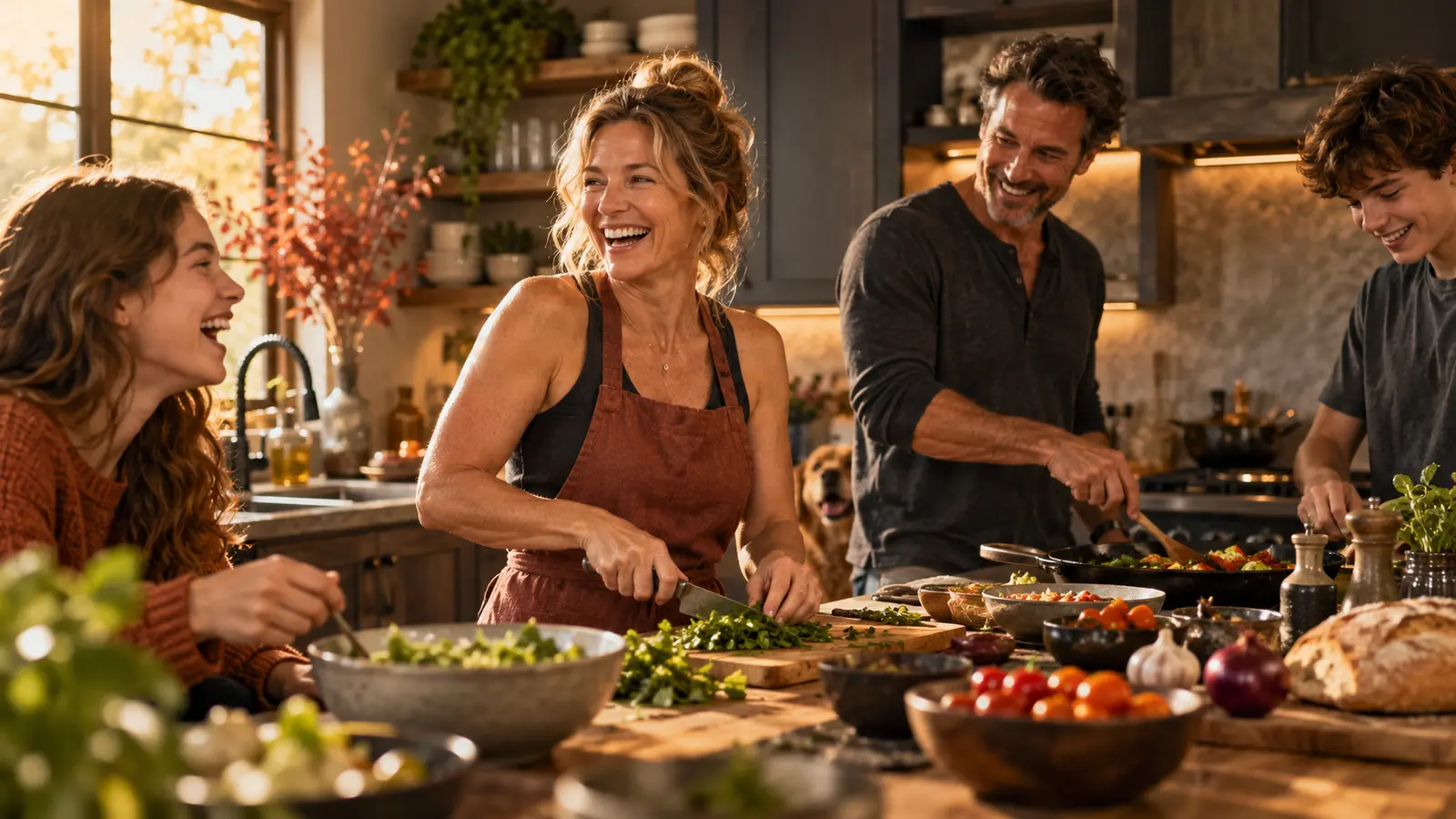
A Better Body Was Never the Whole Goal
The visible transformation gets attention, but the lasting reward is more human: patience with family, confidence at work, energy for intimacy and plans made without calculating the physical cost. Health goals ultimately serve relationships and experiences.